Finding the Best Journals for Writing: A Practical Guide
For years I chased the perfect notebook. I bought them by the stack, filled a few pages, then moved on when the paper bled or the binding cracked. It took me a long time to realize that the best journals for writing are not universal. What works for a bullet journalist will frustrate a novelist, and what suits a poet might feel flimsy for a field researcher. After testing dozens of brands and logging thousands of pages, I have settled on a short list of notebooks that consistently deliver. They are not all expensive, and they are not all beautiful. But they all do one thing well: they get out of the way and let you write.
What Makes a Journal Worth Using
Before I recommend specific notebooks, I want to talk about the qualities that matter most. Paper is the obvious one. If ink feathers or bleeds through to the other side, you will stop writing in that journal. I look for paper that is smooth enough to glide on but not so slick that fountain pen ink sits on top and never dries. Grain, weight, and coating all play a part. Clairefontaine makes some of the best paper I have ever used, and Rhodia uses the same stock in many of their notebooks. Both handle wet ink beautifully.
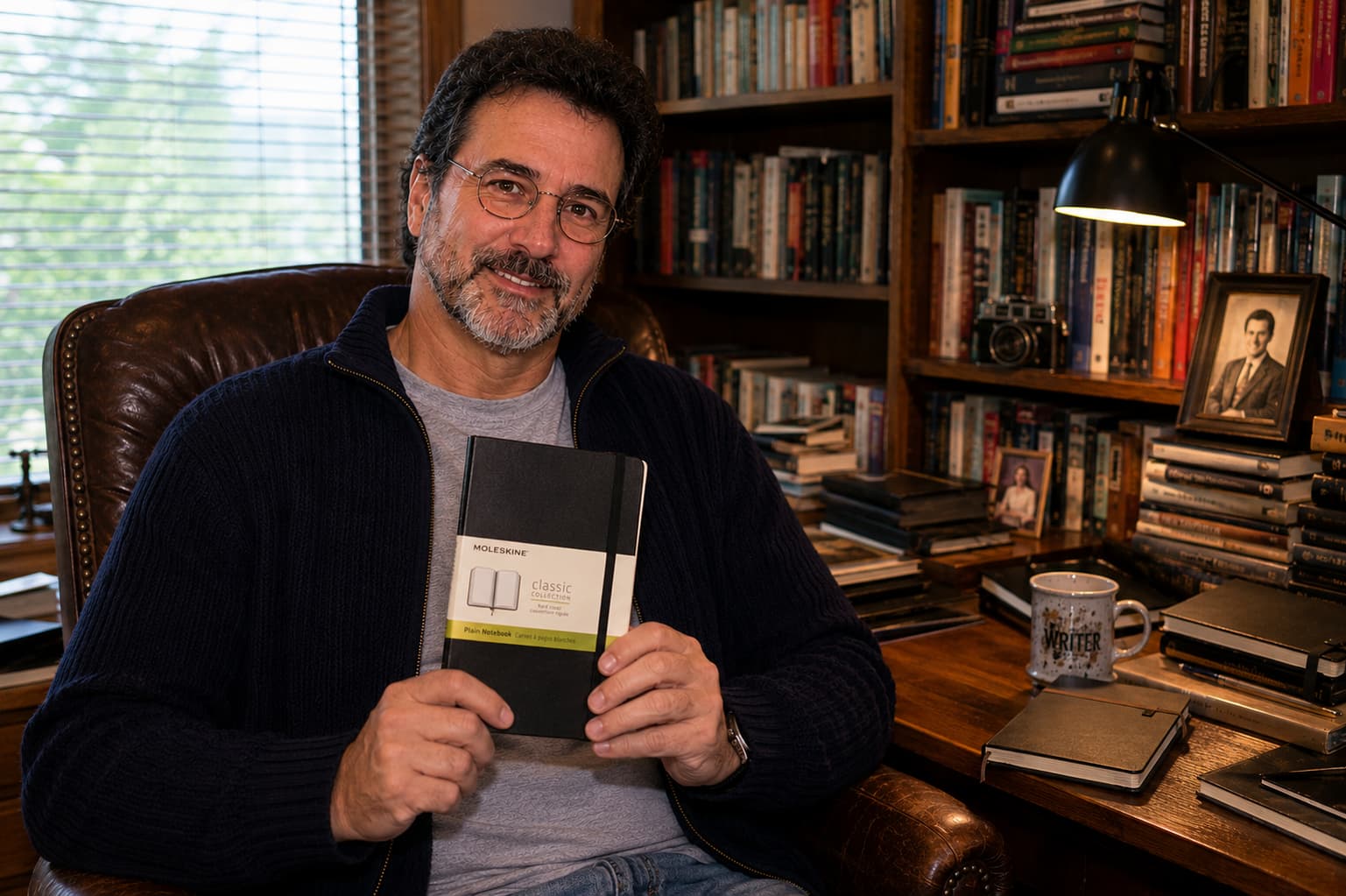
Binding is the second thing I check. A notebook that will not lie flat is a frustration. Stitching should be secure but flexible enough that the spine opens fully. I have seen perfect-bound notebooks fall apart after a month of daily use, and I have seen thread-sewn bindings last for years. Leuchtturm1917 uses thread stitching, and their notebooks open nearly flat. Moleskine used to be known for this, but their paper quality has slipped over the years, and the binding on newer editions sometimes feels stiff.
Size and portability matter more than you might think. A pocket notebook that fits in a back pocket is great for jotting down ideas on the go, but too small for extended writing sessions. A full A5 or B5 is better for longhand drafting, but it will not slip into a jacket pocket easily. I keep both sizes around. For quick notes I carry a Field Notes or a Traveler's Notebook in passport size. For daily journal entries I use an A5 Leuchtturm1917 or a Midori MD Notebook.
Ruling is a personal choice. I prefer dot grid because it gives me structure for sketches and tables but does not distract from the text. Lined paper is fine for most people, but I find the lines too close together for my handwriting. Blank pages are freeing, but they can make your writing drift. Some brands offer options for all three. Hobonichi Techo, for example, uses a grid that is very fine, almost like graph paper, and it works well for both writing and drawing.
Notebooks I Keep Coming Back To
Over the years I have tested most of the major brands. I keep a shelf of notebooks that I rotate through depending on what I am working on. Here are the ones that have earned a permanent place in my rotation.
Leuchtturm1917 is probably the best all-around notebook for everyday journaling. The paper is 80 gsm, which handles fountain pen ink fairly well, though you will see some ghosting with wet nibs. The thread stitching allows the notebook to lie flat, and the table of contents and numbered pages are genuinely useful for longer projects. I use the A5 size for my morning pages. It is not the cheapest option, but it is reliable.
Rhodia makes a different kind of notebook. Their paper is smoother and more coated, which means fountain pen ink shows almost no feathering. The wire binding on the staple-bound pads means you can tear out pages cleanly, but the notebook will not last as long as a stitched one. Rhodia is my choice for rough drafts and brainstorming sessions where I might discard pages.
Midori MD Notebook is a cult favorite among minimalists. The paper is cream-colored and has a soft, toothy feel that slows your hand down just enough to make writing feel deliberate. It is not the best for quick note-taking, but for reflective writing it is wonderful. The covers are simple and the binding is exposed, which gives it a handmade look. I reach for this one when I want to slow down and think.
Field Notes are my go-to pocket notebooks. They are small, cheap enough that I do not worry about ruining one, and the paper holds up reasonably well with ballpoint and gel pens. They are not designed for fountain pens, and the paper is thin, but for grocery lists, phone numbers, and sudden ideas, they are perfect. I buy them by the three-pack and keep one in every bag.
Rocketbook is a different beast. It is designed to be used with a Pilot FriXion pen and then wiped clean with water so you can reuse it. The pages are synthetic and the writing experience is not as pleasant as paper, but for someone who goes through notebooks quickly and wants to cut down on waste, it is a smart option. I use mine for meeting notes that I scan and then erase.
I should also mention Baron Fig, which makes a very clean, minimal notebook with good paper and a lay-flat binding. It is a bit pricier than Leuchtturm1917, but the paper is slightly thicker and the design is very clean. Archer and Olive is another brand that has gained a following, especially among bullet journalists, because of their thick 160 gsm paper that handles almost any medium. Their notebooks are heavy, though, and not ideal for carrying around.
Mnemosyne by Maruman is a brand that does not get as much attention as it deserves. The paper is very smooth and the spiral binding on their specialty notebooks is surprisingly durable. I use their B5 size for long writing sessions because the larger page gives me room to spread out. Stalogy makes a similar product with a slightly thinner paper that still performs well with fountain pens. The Stalogy 365 notebook is a popular choice for daily journaling because it has a lot of pages.
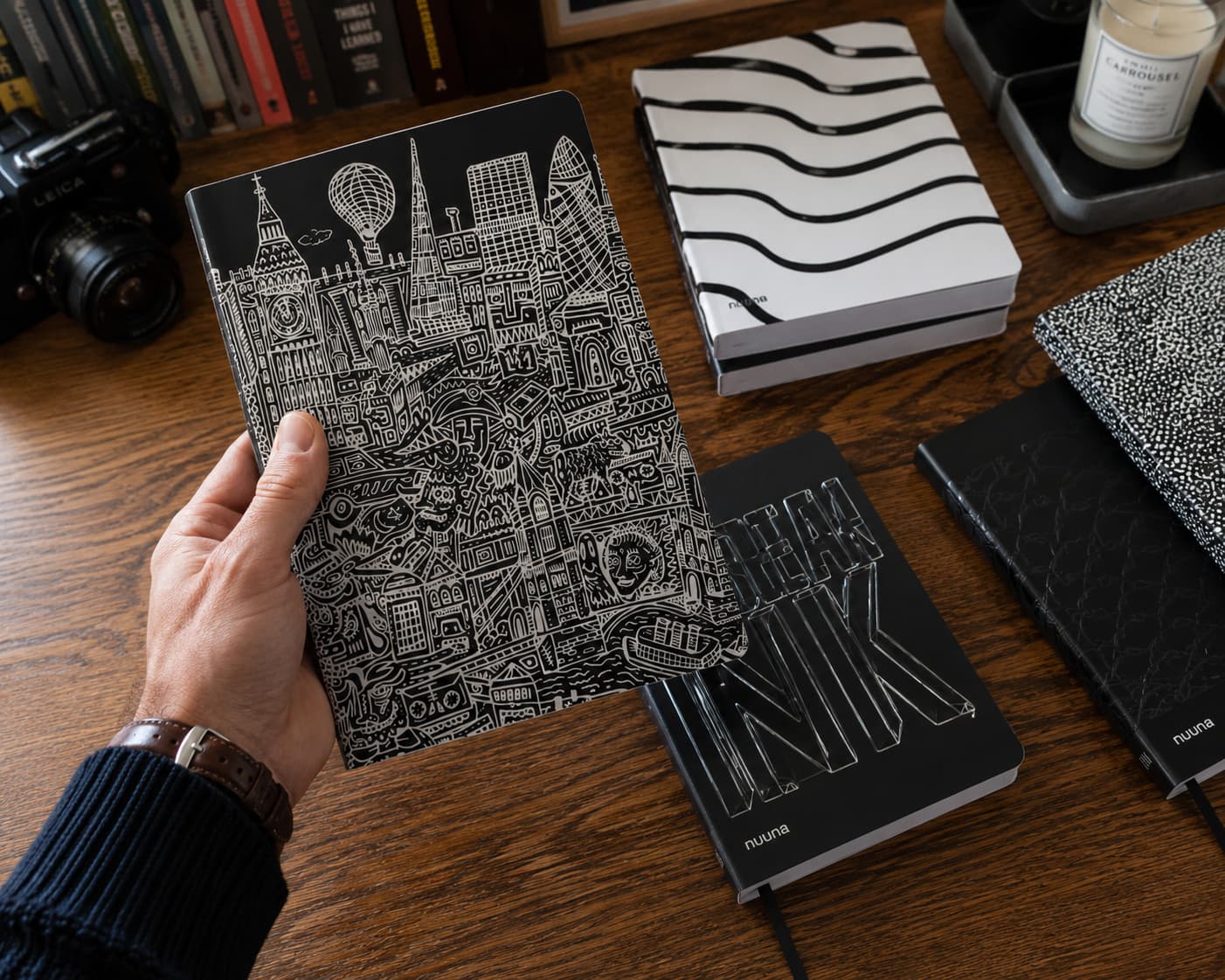
Dingbats is a newer brand that uses tree-free paper made from sugarcane waste. The paper is thick and has a nice texture, and the notebooks are vegan-friendly. I have tested one of their A5s and was impressed by how well it handled wet ink. The cover is soft and flexible, which makes it easy to carry. Nuuna is another brand from Germany that uses unusual paper textures and minimal covers. Their notebooks are expensive, but the paper quality is excellent and the design is very modern.
For those who prefer a more traditional feel, Smythson makes luxury notebooks with very thin, crisp paper. They are not practical for everyday use because the paper is so thin, but for a special journal or a gift, they are beautiful. Peter Pauper Press makes affordable notebooks with a classic look, often with decorative covers. The paper is decent but not outstanding. I would recommend them for casual journaling or for someone who wants a nice-looking notebook without spending a lot.
Exceed is a budget brand sold at some big-box stores. The paper is surprisingly good for the price, though the binding is glued and will not last as long as a sewn notebook. I keep one in my car for random notes. Essentials Notebook is another budget option that works well with ballpoint pens. It is not the best, but it gets the job done.
Finally, Minimalism Art makes notebooks that are very plain and simple. The paper is good, the binding is thread-sewn, and the price is reasonable. I have one of their A5s and it has held up well over a year of use. It reminds me of the Midori MD but with slightly less character.
How I Choose What to Use
I have learned that the best journals for writing are the ones that match your specific workflow. If you write with fountain pens, you need paper that can handle the ink without bleeding. Leuchtturm1917 and Rhodia are safe choices. If you write with ballpoints or gels, you have more options and can go for something like Field Notes or Exceed. If you carry your notebook everywhere, size and durability matter more than paper quality. A Traveler's Notebook in passport size is a great companion for daily carry because you can swap inserts and add new sections without buying a whole new notebook. The Hobonichi Techo is another excellent option if you want a compact daily planner that also works as a journal.
I also think about what kind of writing I am doing. For messy first drafts, I use a cheap Rhodia pad or a Rocketbook so I do not feel precious about what I write. For polished entries or long-form writing, I use a nice stitched notebook like the Leuchtturm1917 or the Midori MD. Having both options keeps me from either wasting expensive paper on rough ideas or feeling constrained by a cheap notebook when I want to write something I will keep.
One thing I have stopped doing is buying notebooks based on how they will look on a shelf. A beautiful notebook that you never write in is just a waste. I have owned Moleskines that I loved the look of, but the paper quality frustrated me so much that I stopped using them. I have owned Dingbats notebooks that were not as pretty but wrote so well that I filled them cover to cover. Function matters more than form.
If you are new to journaling and not sure where to start, I would suggest picking up an A5 Leuchtturm1917 in dot grid and a pack of Field Notes in pocket size. That combination covers most needs: a sturdy home base for daily writing and a portable option for capturing ideas on the go. From there you can experiment with other brands and sizes. You might find that you prefer the open, cream-colored pages of a Midori MD, or the crisp, white paper of a Rhodia. You might discover that you like the modular system of a Traveler's Notebook, or the simplicity of a Stalogy 365.

The point is to start writing and pay attention to how the notebook feels in your hand. If it makes you want to write, it is a good notebook. If it gets in the way, try something else. Over time you will build a personal list of favorites that work for you. That is what finding the best journals for writing is really about. It is not about the brand name or the price tag. It is about finding a tool that disappears into the background and lets your words come through.
I still test new notebooks when I come across them. I recently tried the Nuuna and was impressed by the paper texture, though I am not sure I would pay the premium for it regularly. I keep a Clairefontaine pad on my desk for letters and notes. I have a stack of older Moleskines that I use for specific projects because I already bought them and the paper is good enough for ballpoint. Every writer I know has a pile of half-used notebooks that did not quite work out. That is part of the process. The goal is to narrow down your rotation to a few reliable options so you can stop shopping and start writing.
That is the real takeaway. The best journals for writing are not the ones with the most hype or the highest price. They are the ones that you actually use. So pick one, fill it up, and then pick another. The act of writing matters more than the notebook you write in. But a good notebook can make the act easier, and that is worth something.